

Next
Behind the shoot · Architecture firm · Heber
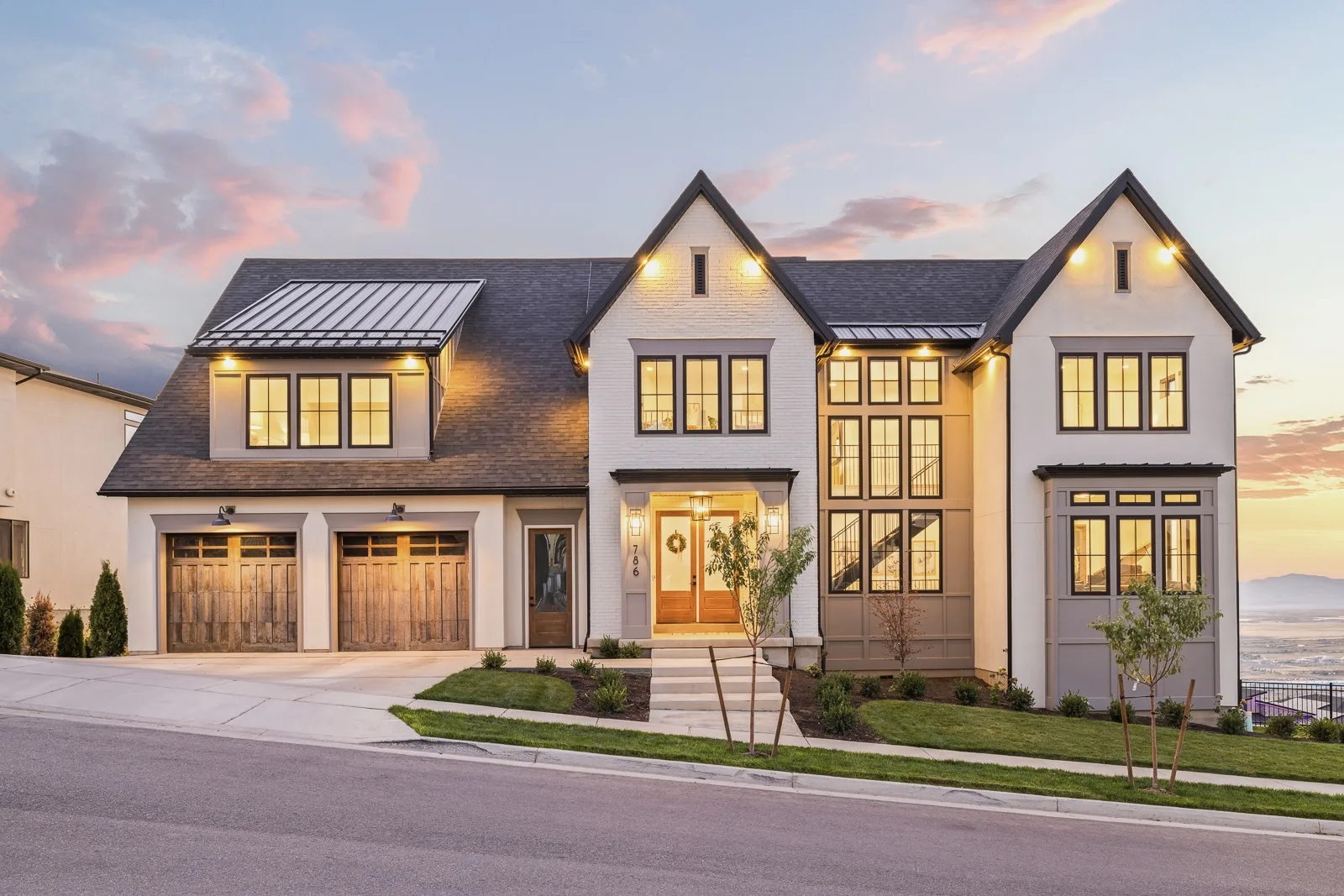
A spec home in Park City had a buyer walking through in two weeks and no finished rooms to show. We shot it at dusk so it could sell before it was done. Here is how the shoot was planned, and what each frame went on to do.
The builder called on a Tuesday. The home was framed, glazed, and lit, but the kitchen was still missing its island and the landscaping was dirt. A serious buyer was coming through in two weeks, and the builder's website still led with the last project.
The ask was simple: make the home look finished, and make it look like it belonged to this builder. Not a generic mountain modern. Theirs.
We told the builder what we tell everyone. Pretty photos don't close projects. The right photos, in the right place, do. So the first hour of the job was not about light. It was about where each image would live.
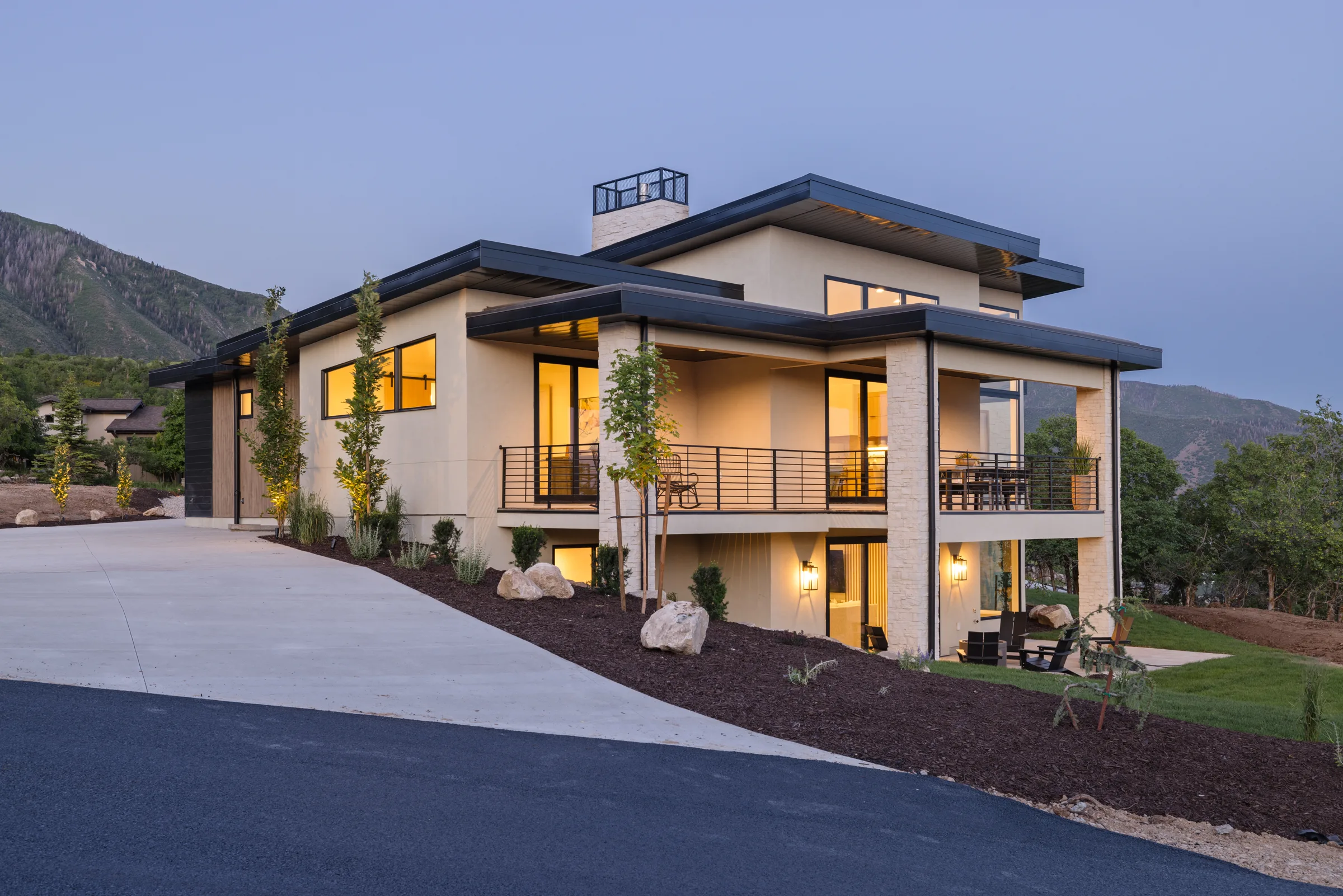
Dusk is not a time of day. It is a window. On that ridge, in early September, the sky and the interior lights sit at the same brightness for roughly eleven minutes. Before that, the windows go black. After it, the sky does.
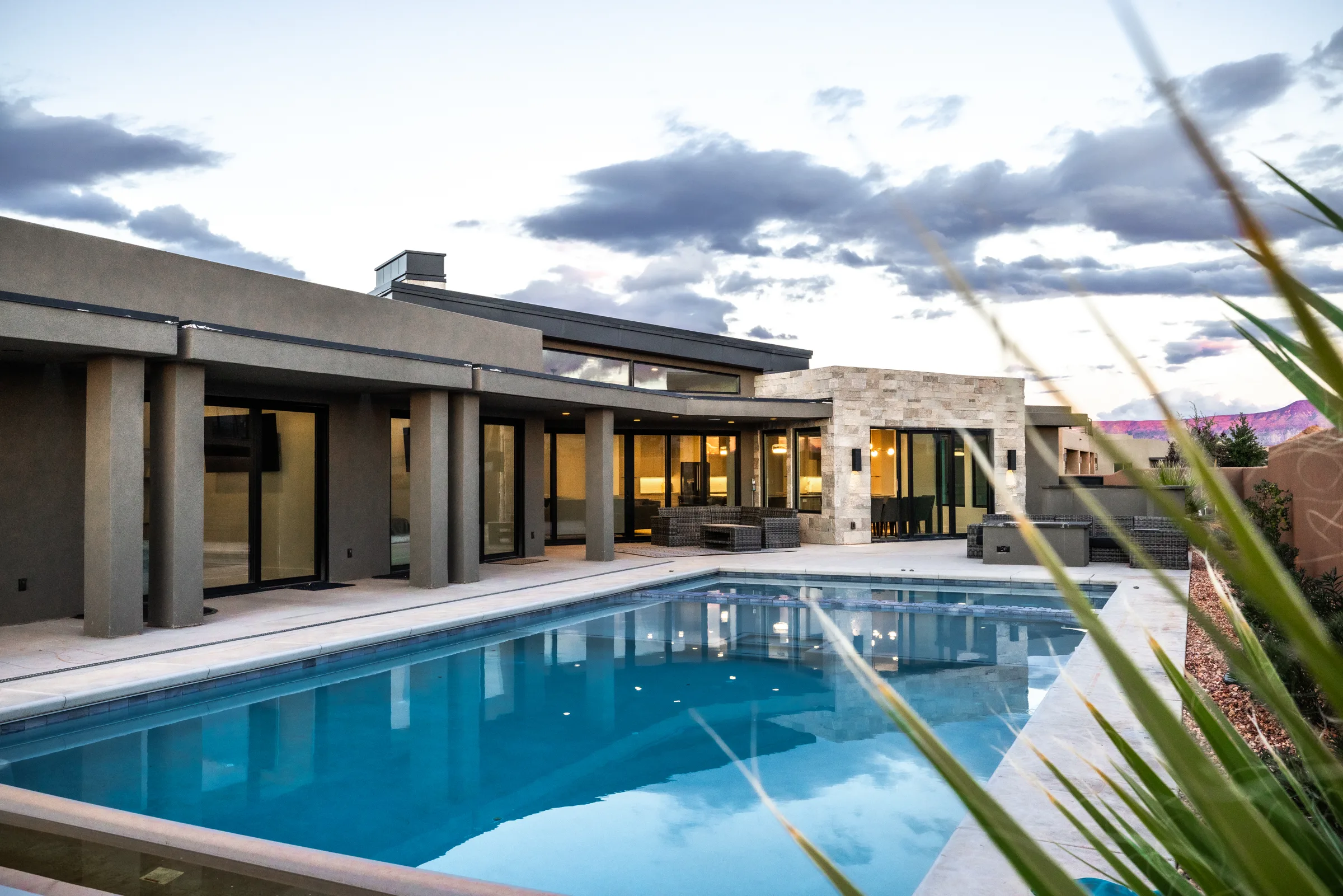
We walked the property at noon and marked five positions. Each got a number and an order. The wide arrival frame first, because it needs the most sky. The pool terrace second. Two side elevations. Then the detail of the entry, which reads well even after the sky has gone.
When the light came, nobody talked. Five positions, eleven minutes, thirty two frames. The builder stood behind us and said nothing until it was over. Then he asked if he could see the back of the camera.
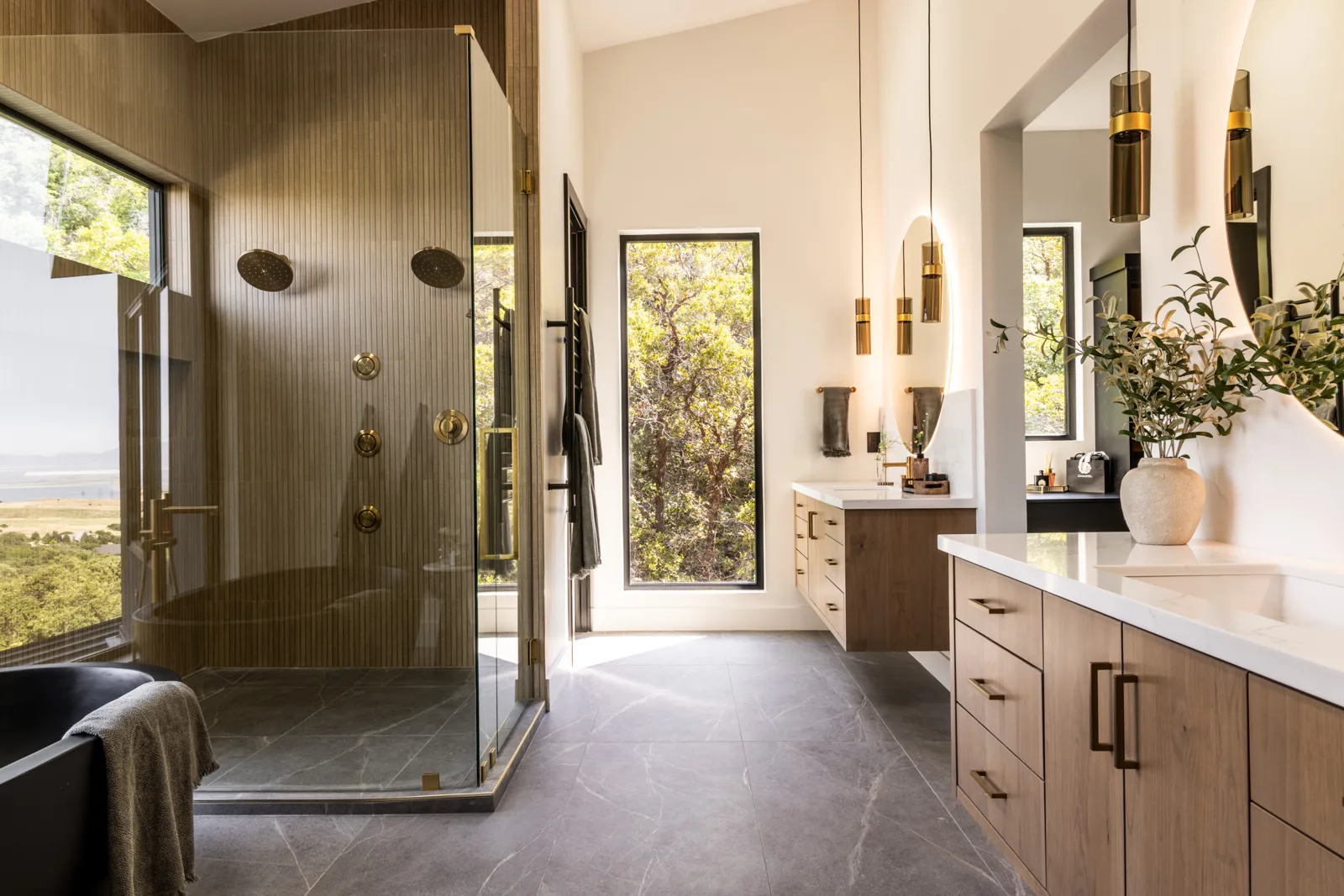
We were not selling a house that night. We were selling the feeling of walking up to it after dark, with the lights already on.Studio notes, day of the shoot
Most home photography is HDR: several exposures blended by software until every corner is evenly lit. It is fast, and it is why so many homes look the same online. The whites go grey, the windows look pasted in, and the shadows that give a room its shape are gone.
We light with flash and shape it by hand. One clean exposure for the room, then light painted into the surfaces that matter: the stone, the oak, the brass. Shadows stay where the architect put them. Whites stay white.
It takes longer per frame. That is the point. The builder is not selling square footage. He is selling how the kitchen feels at seven in the evening, and that feeling does not survive an HDR blend.
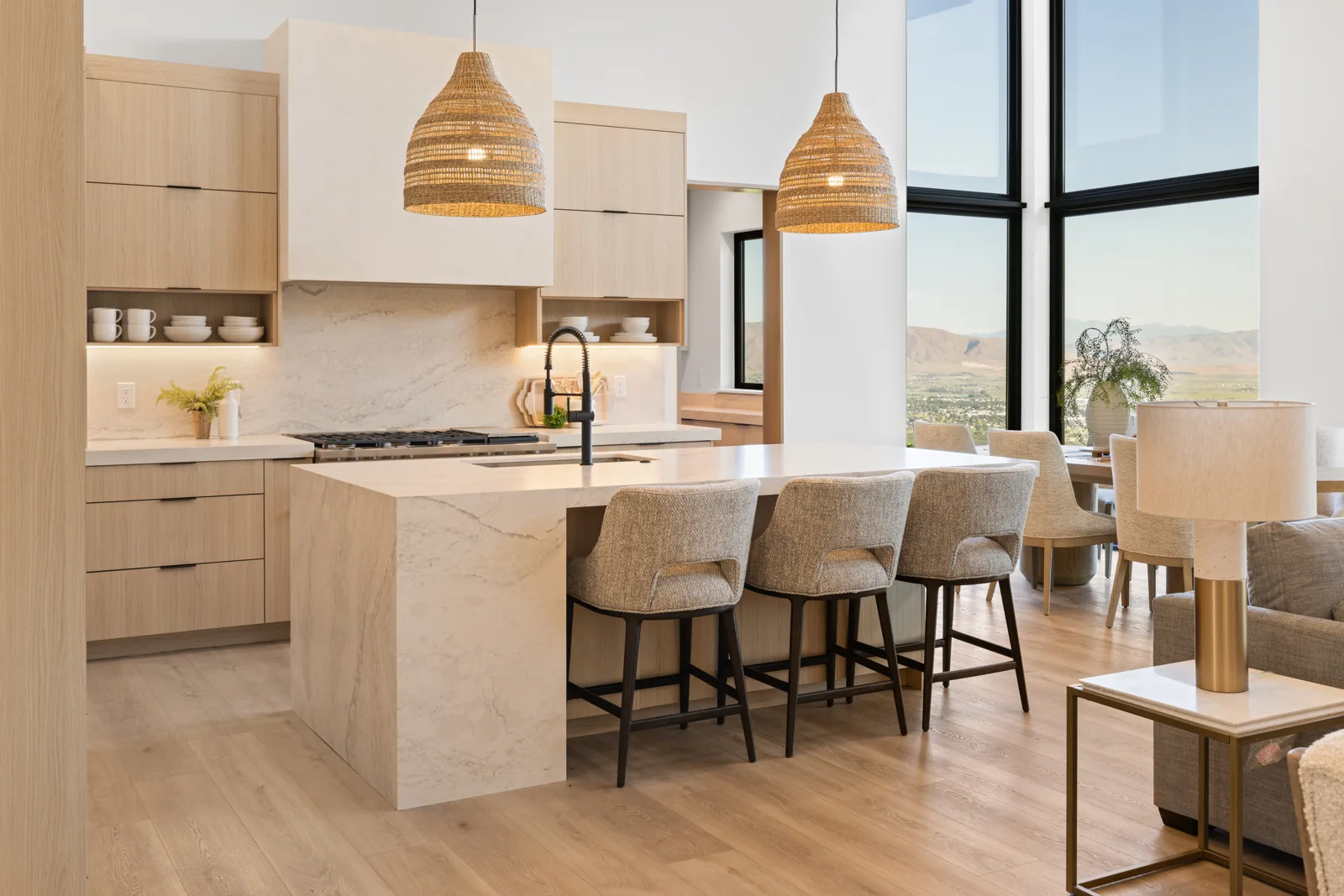
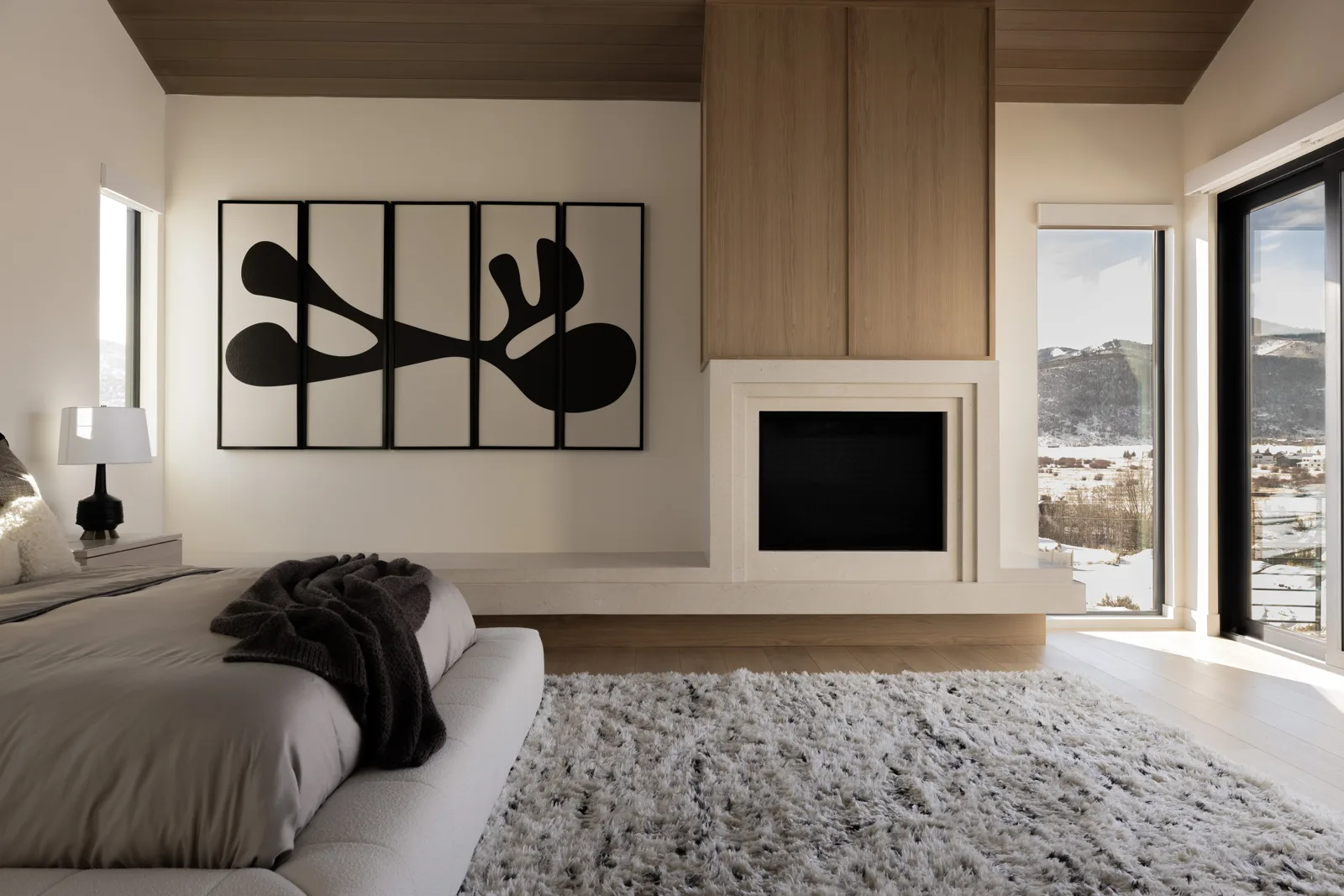
The arrival frame became the first page of the builder's proposal deck. Every proposal since has opened with it, even for homes in other towns. It says: this is who you are hiring.
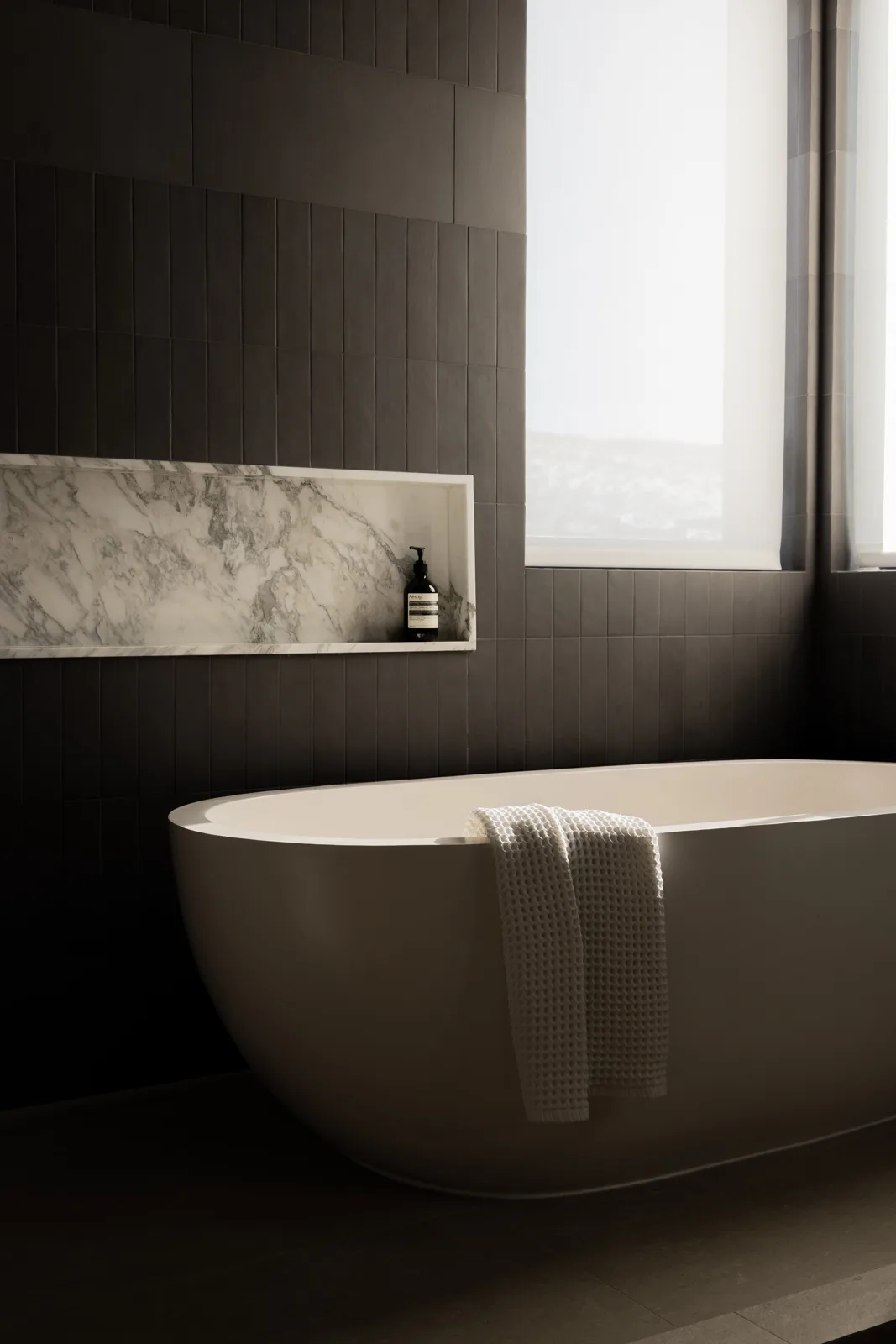
The pool terrace went to the top of the website, replacing a two year old project. The bath pair ran on social the week of the walkthrough and were the most shared images the builder has posted.
The interiors went to the trades. The cabinet maker, the stone yard, and the lighting designer all used them, with credit, because the license lets them. Three firms now send the builder work. That was the image nobody planned for, doing the most work.
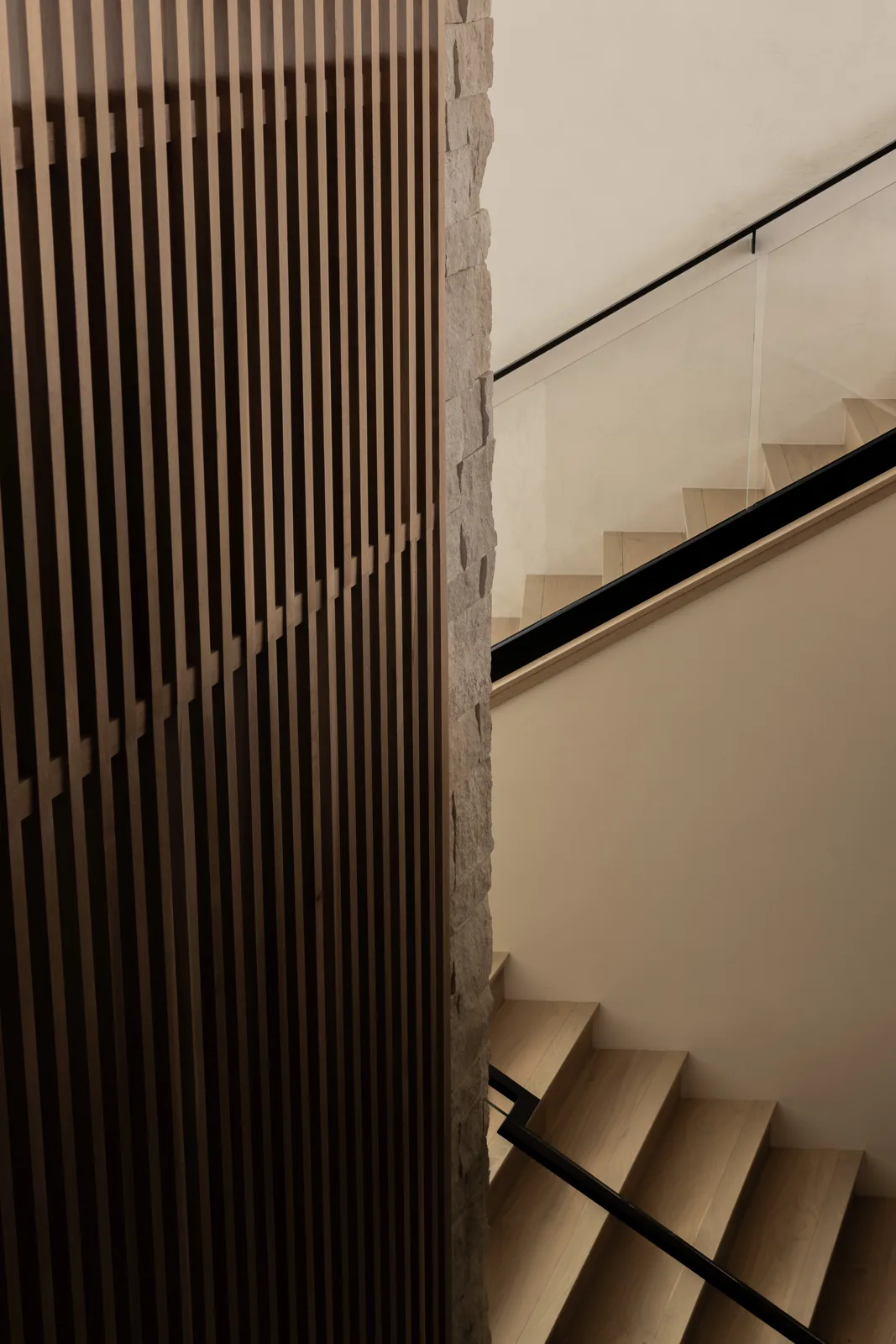
The last frame of the night. No sky to balance, so it waited until the end and used only the house's own light.
Ask where every image will live before picking up a camera. Mark the positions at noon. Shoot the dusk sequence in a fixed order and never improvise it.
And deliver in days, not weeks. The buyer walked through on a Thursday. The offer came the following Monday. The home was still four weeks from finished.
Tell us what it needs to do, and we will shoot for it.
Start a projectStart a project